
Charitable planning in Indiana: where to start
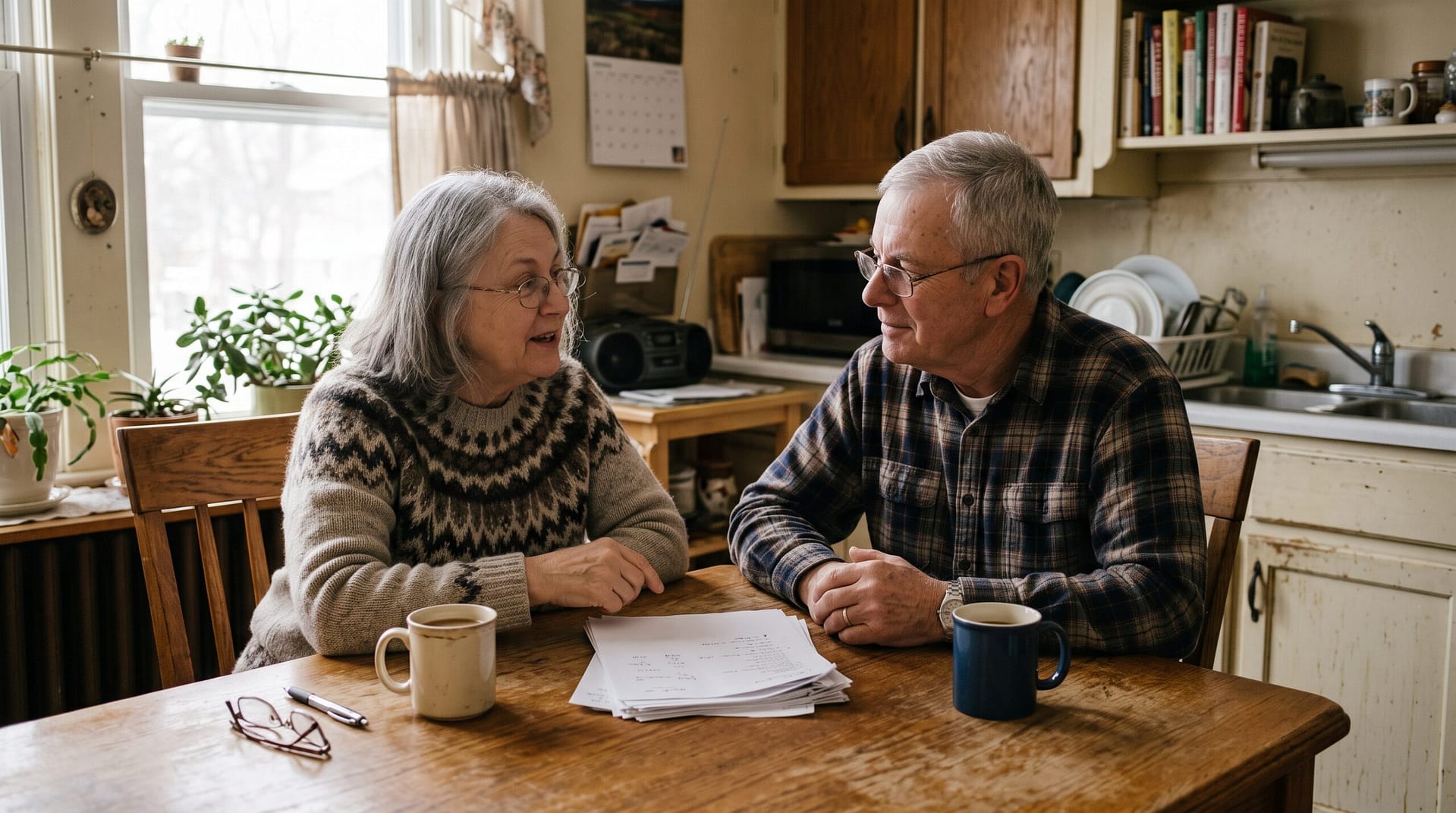
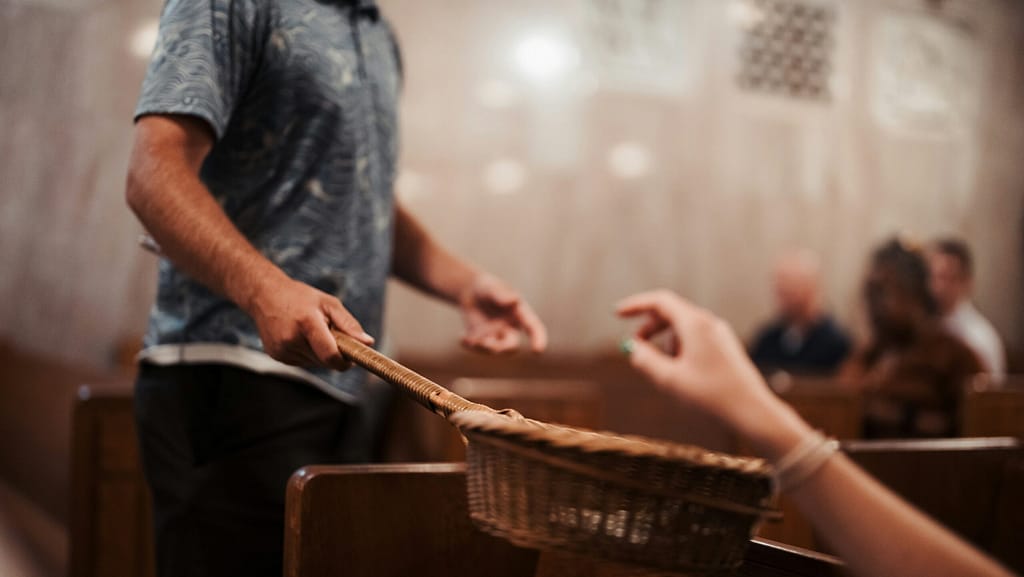
You already give. To your church, your alma mater, the fire department, the food pantry that helped somebody in your family through a hard year.
This page is where we keep what we have written about giving, and about what changes when giving becomes part of your Estate Plan.
Read the part that fits your situation. When you want to talk it through, schedule a consultation by phone, video call, or in person, whichever you prefer. There is no charge for that first conversation.
EVERY GIFT HAS
TWO NUMBERS
Start here if you have never had anyone explain this.
The first number is what the charity receives. The second is what the gift actually cost you after taxes. With cash those two numbers are the same, which is what makes the check the most expensive instrument you own.
None of this requires being wealthy. Most of it works for anyone with a retirement account, a brokerage account, or a piece of ground they inherited.
Read the whole article:
You Already Give. Here’s How to Give Better.
GIVING NOW

If you give every year and wonder whether there is a better way to do it.
Four approaches come up most often. Money sent straight from an IRA after 70½, which never appears on your tax return as income. Appreciated stock given as stock instead of sold first. Farm ground and rental property, where the basis is often close to zero. And concentrating several years of giving into one, so the giving actually counts on your return.
Your church still gets steady support in the off years. That part has an answer too.
Read the whole article: Strategic Giving During Your Lifetime: Four Ways to Give More Without Spending More
GIVING LATER

For you if you want the support to continue after you are gone.
Fundraisers call this planned giving. A charitable remainder trust turns an asset you cannot afford to sell into income for life. A paid-up life insurance policy you no longer need may be the easiest meaningful gift available to you. And a fund at an Indiana community foundation keeps paying out long after you are gone.
One move costs nothing and changes the outcome for everyone. Sort your assets before you divide them. A retirement account is the most heavily taxed thing you can leave a child and the least taxed thing you can leave a charity.
Read the whole article: Legacy and Planned Giving in Indiana
THE PARAGRAPH
IN YOUR WILL

Worth reading even if you think this one is handled.
Most people who intend to leave something to their church do it with a sentence in their Will. A bequest. It is the standard answer and it carries two quiet problems.
It spends the same post-tax dollars as writing a check, just later. And a Will only operates through probate. If your plan was built to avoid probate, and most good plans are, that paragraph may never do anything at all.
There are cleaner ways. Most of them are a beneficiary form and fifteen minutes.
Read the whole article: Trust or Will: Which One Makes Sense for Your Situation
WHERE CHARITABLE PLANNING IN INDIANA USUALLY STARTS
If you have done any estate planning, think back on that meeting. Did anyone ask whether you wanted to do something for your church, your school, or the organization that helped your family through something hard?
For most people, the answer is no. The conversation covered children, splitting things fairly, and staying out of probate. All of that matters. It is also only part of what people want their money to do.
If you have charitable intentions and nobody has asked about them, that is worth noticing. We are glad to have that conversation. There is no charge for that first one. Call (219) 230-3600.

Who you’ll meet
RG Skadberg
RG founded CCSK Law with a simple idea: legal planning shouldn’t feel like a foreign language. Law is his sixth career; he went to law school at 47 after watching people get lost when life and the legal system collided. That’s shaped how he practices: explain the reasoning, lay out the options in plain English, and let clients pick the path that fits their lives.
RG focuses on Wills, Trusts, Powers of Attorney, Medicaid and Elder Law, Probate, and planning small business owners. He’s lived in Valparaiso for 27 years with his wife Ann and their two daughters, and outside the office he’s usually building something, whether that’s a new resource for clients or his golf game.